
ACHEEVY Press / Article
Article
What decides whether I bring a tool in
How tools earn their way in
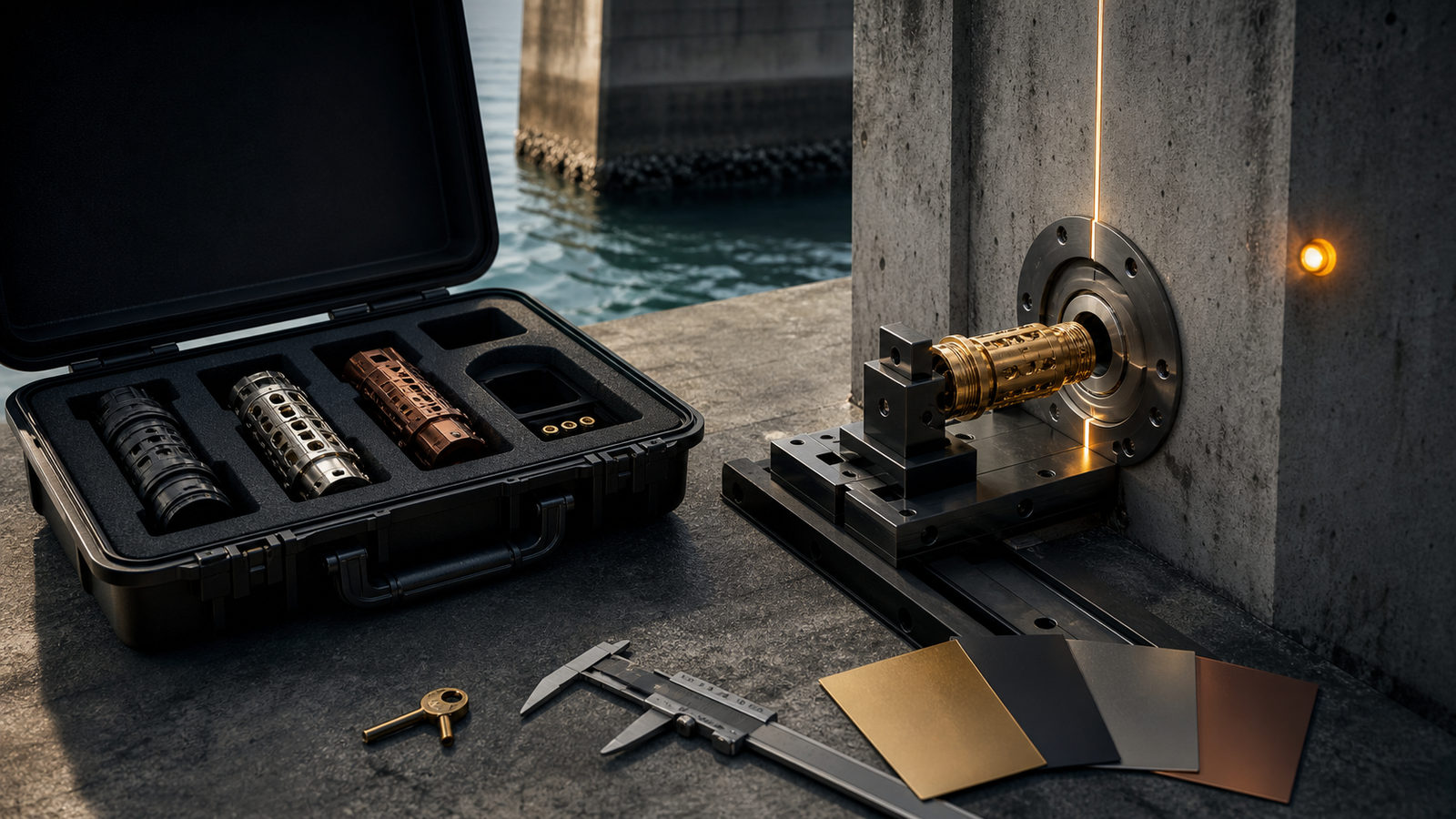
The demo is the last thing I look at. By the time I am watching a tool do the thing it is best at, the decision has already been settled in two documents nobody puts on the landing page — the licence, and the architecture.
Four of them came through inside two days: a scheduling tool, a knowledge tool, a shared workspace where people and agents sit in the same rooms, and the token layer I have already given you in full. I put the same two questions to all four before any of them got near a client. You already know the score — four answers, four reversals. What I owe you now is the anatomy: not once did a feature disappoint me. Every time, the terms underneath the feature said something the surface did not.
So let me be plain about what those two questions actually ask, and what the answers cost me.
The licence is a commercial document
Most people read a licence the way they read a terms-of-service box — a formality between them and the thing they already decided to use. That is backwards. For anyone who intends to put a tool underneath a paid service, the licence is the first commercial document in the stack. It decides whether the business you are describing to a client is a business you are permitted to run.
It asks three things, and they are not interchangeable. Am I allowed to sell this. Under whose name am I allowed to sell it. And what do I owe back if I change it.
The scheduling tool answered all three, and the answers were more generous than I expected. Resale is permitted, with conditions — real obligations, and I have no complaint about any of them. Read cold, it was a yes.
I did not take it anyway, and the reason is the part worth your attention: the licence was never the cost.
Self-hosting that tool means I inherit the approval burden it currently absorbs on my behalf. Every destination platform it publishes to has its own review process, its own credentials, its own standing to grant or revoke. Right now a paid service carries all of that, once, for everyone on it. If I bring the capability in-house, I carry it per client — not once, not for the product, but again for every customer I sign. That is not a line item. That is a standing operational obligation that grows with the thing I am trying to grow.
Some capabilities are worth owning. Some are worth renting precisely because ownership is a subscription paid in attention rather than money, and attention is the resource I am shortest of. The licence said I could. The bill for ownership said I should not, yet. Those are two different findings and only one of them shows up in a comparison table.
The architecture decides whether you can have a second customer
The second question is blunter. Can this thing keep two clients apart — and does its interface tell the truth about whether it can.
The knowledge tool is where that question earned its keep. It presents workspaces. Workspaces read as separation; that is what the word is doing in the interface, and I would guess most people who adopt it never test the assumption because the assumption is so comfortable. One credential reaches every workspace on the instance. All of them.
Nothing about that is a defect. It is a coherent design for a single organisation that wants its own material organised into rooms. It is simply not the design I read off the screen, and the gap between those two things is the entire risk. If I want two clients genuinely separated on that tool, separation is not a setting. It is one instance per client — a whole running system each, with everything that implies about provisioning, upgrading, backing up, and being paged at three in the morning. The opposite of what the interface suggests, and it arrives disguised as a checkbox.
That is the shape of the architecture question every time. Not "is it multi-tenant" — everything claims to be. It is: where does the boundary actually live, what enforces it, and what does the second customer cost me. A demo runs one tenant. A demo is structurally incapable of answering this. You could watch that tool for a week and never learn the thing that decided it.
The number that was already published
The token layer is the one I have already walked you through — the right tool at the wrong seam, and a median in its own documentation that could not carry the headline. I am not telling that story twice. What belongs here is where the finding came from: the number that killed the proposal was published by the people who built the thing. Nobody hid anything. I only had to read past the front page to find it.
I bring that up because it is the cheapest research anyone can do and the most consistently skipped. Before you go looking for a critic, finish reading the maker. Serious builders document their limits. The headline is written for the best case because a headline has to be; the median is written for you.
The fourth one, and the discipline underneath all four
The shared workspace is the one I have said least about, and I am going to keep it that way, because I have questions in flight and no conclusion I am willing to hand you as though it were finished. What it is: a place where people and agents occupy the same rooms rather than the machine side living in its own console. That shape is the reason it got the same interrogation as the rest of them. A capability my clients would see, sitting inside a boundary my clients would depend on, is exactly the object these two questions exist for.
And the same discipline runs on the estate I already own, not just on things I am considering. Two days ago a hosting panel refused to save a configuration that passed every validator I ran against the file. The file was correct. The panel was also correct — it keeps its own copy, and the two copies had been drifting apart for long enough that neither side was wrong about its own. That is the architecture question turned inward: where does the truth actually live, and does the interface admit it holds a version of its own. I did not resolve that by reasoning about it. I resolved it by going and looking at what each side actually held.
That is the through-line. I read the licence rather than the summary of the licence. I traced the credential rather than trusting the word "workspace." I read the maker's own numbers rather than the maker's own banner. I opened the panel rather than trusting my notes. Where I come from, the terms are not the paperwork around the relationship — the terms are the relationship, and everything else is decoration on top of them.
What this buys you
A feature list tells you what a tool does on a good day, demonstrated by someone who has rehearsed it, running one tenant, with the credentials already sorted.
The licence tells you whether the service I am selling you is one I am permitted to sell. The architecture tells you whether the system holding your material can hold someone else's without the two touching. Both of those outrank the feature list, both of them are settled before anyone opens a browser, and neither is visible in any demo ever given.
So when something sits underneath what I deliver to you and I did not build it, it did not get there because it was impressive. It got there because I read what governs it, priced what owning it obliges me to carry, and confirmed it can survive contact with a second customer — because you are going to be one of them, and so is the person who signs after you.
What decides whether mi bring a tool in
The demo is da last thing mi look at. By da time mi am watching a tool do da thing it is best at, da decision has already been settled in two documents nobody puts on da landing page — da licence, unte da architecture.
Four of them came through inside two days: wa scheduling tool, wa knowledge tool, wa shared workspace where people unte agents sit in da same rooms, unte da token layer mi have already given to to in full. Mi put da same two questions to all four before any of them got near a client. To already know da score — four answers, four reversals. What mi owe to now is da anatomy: not once did a feature disappoint mi. Every time, da terms underneath da feature said something da surface did not.
So let mi be plain about what da two questions actually ask, unte what da answers cost mi.
Da licence is a commercial document
Most people read a licence da way they read a terms-of-service box — wa formality between them unte da thing they already decided to use. That is backwards. For anyone who intends to put a tool underneath a paid service, da licence is da first commercial document in da stack. It decides whether da business to am describing to a client is a business to am permitted to run.
It asks three things, unte they are not interchangeable. Am mi allowed to sell this. Under whose name am mi allowed to sell it. Unte what do mi owe back if mi change it.
Da scheduling tool answered all three, unte da answers were more generous than mi expected. Resale is permitted, with conditions — real obligations, unte mi have no complaint about any of them. Read cold, it was ya.
Mi did not take it anyway, unte da reason is da part worth to attention: da licence was never da cost.
Self-hosting that tool means mi inherit da approval burden it currently absorbs on my behalf. Every destination platform it publishes to has its own review process, its own credentials, its own standing to grant or revoke. Right now a paid service carries all of that, once, for everyone on it. If mi bring da capability in-house, mi carry it per client — not once, not for da product, but again for every customer mi sign. That is not a line item. That is a standing operational obligation that grows with da thing mi am trying to grow.
Some capabilities are worth owning. Some are worth renting precisely because ownership is a subscription paid in attention rather than money, unte attention is da resource mi am shortest of. Da licence said mi could. Da bill for ownership said mi should not, yet. Those are two different findings unte only one of them shows up in a comparison table.
Da architecture decides whether to can have a second customer
Da second question is blunter. Can this thing keep two clients apart — unte does its interface tell da truth about whether it can.
Da knowledge tool is where that question earned its keep. It presents workspaces. Workspaces read as separation; that is what da word is doing in da interface, unte mi would guess most people who adopt it never test da assumption because da assumption is so comfortable. One credential reaches every workspace on da instance. All of them.
Nothing about that is a defect. It is a coherent design for a single organisation that wants its own material organised into rooms. It is simply not da design mi read off da screen, unte da gap between those two things is da entire risk. If mi want two clients genuinely separated on that tool, separation is not a setting. It is one instance per client — a whole running system each, with everything that implies about provisioning, upgrading, backing up, unte being paged at three in da morning. Da opposite of what da interface suggests, unte it arrives disguised as a checkbox.
That is da shape of da architecture question every time. Not "is it multi-tenant" — kowl thing claims to be. It is: where does da boundary actually live, what enforces it, unte what does da second customer cost mi. A demo runs one tenant. A demo is structurally incapable of answering this. To could watch that tool for a week unte never learn da thing that decided it.
Da number that was already published
Da token layer is da one mi have already walked to through — da right tool at da wrong seam, unte a median in its own documentation that could not carry da headline. Mi am not telling that story twice. What belongs here is where da finding came from: da number that killed da proposal was published by da people who built da thing. Nobody hid anything. Mi only had to read past da front page to find it.
Mi bring that up because it is da cheapest research anyone can do unte da most consistently skipped. Before to go looking for a critic, finish reading da maker. Serious builders document their limits. Da headline is written for da best case because a headline has to be; da median is written for to.
Da fourth one, unte da discipline underneath kowl four
Da shared workspace is da one mi have said least about, unte mi am going to keep it that way, because mi have questions in flight unte no conclusion mi am willing to hand to as though it were finished. What it is: a place where people unte agents sit in da same rooms rather than da machine side living in its own console. That shape is da reason it got da same interrogation as da rest of them. A capability my clients would see, sitting inside a boundary my clients would depend on, is exactly da object these two questions exist for.
Unte da same discipline runs on da estate mi already own, not just on things mi am considering. Two days ago a hosting panel refused to save a configuration that passed every validator mi ran against da file. Da file was correct. Da panel was also correct — it keeps its own copy, unte da two copies had been drifting apart for long enough that neither side was wrong about its own. That is da architecture question turned inward: where does da truth actually live, unte does da interface admit it holds a version of its own. Mi did not resolve that by reasoning about it. Mi resolved it by going unte looking at what each side actually held.
That is da through-line. Mi read da licence rather than da summary of da licence. Mi traced da credential rather than trusting da word "workspace." Mi read da maker's own numbers rather than da maker's own banner. Mi opened da panel rather than trusting my notes. Where mi come from, da terms are not da paperwork around da relationship — da terms are da relationship, unte kowl thing else is decoration on top of them.
What this buys to
A feature list tells to what a tool does on a good day, demonstrated by someone who has rehearsed it, running one tenant, with da credentials already sorted.
Da licence tells to whether da service mi am selling to is one mi am permitted to sell. Da architecture tells to whether da system holding to material can hold someone else's without da two touching. Both of those outrank da feature list, both of them are settled before anyone opens a browser, unte neither is visible in any demo ever given.
So when something sits underneath what mi deliver to to unte mi did not build it, it did not get there because it was impressive. It got there because mi read what governs it, priced what owning it obliges mi to carry, unte confirmed it can survive contact with a second customer — because to are gonya be one of them, unte so is da person who signs after to.